October 19, 2026
Field notes: the claim where the shingles were newer than the storm
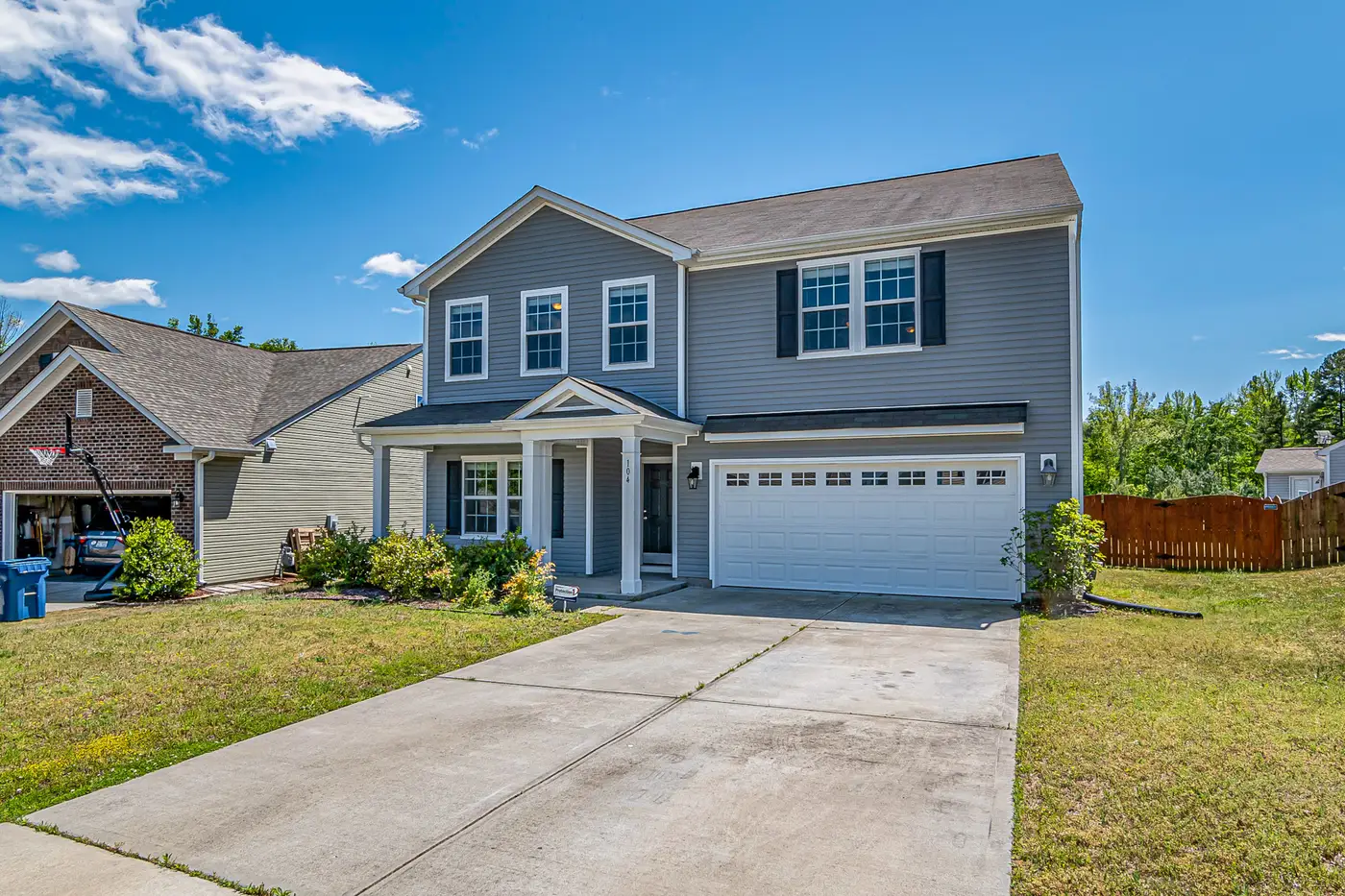
A desk adjuster in the Midwest told me about this one a few months back, and it's stuck with me because it's such a clean example of the gap between what a claim file says and what's actually sitting on a roof.
The claim was straightforward on paper. Wind and hail event, documented by NOAA, hit the ZIP code on a Tuesday in late spring. Homeowner filed ten days later for a full roof replacement, citing granule loss and bruised tabs across both slopes. The contractor estimate came in clean, the photos looked like hail damage, and the loss date lined up with a storm everyone in the file could point to.
What didn't line up was the shingle itself. The adjuster who inspected in person noted, almost in passing, that the shingles looked new. Not storm-aged, not sun-bleached, not showing the kind of wear you'd expect on a roof that was, according to the homeowner's own prior claim history, eleven years old at the time of loss. Crisp cut lines. Uniform color lot. No algae streaking on the north slope, which on an eleven-year-old roof in that region is almost never absent.
That single observation is the kind of thing that gets written into a file note and then forgotten, because proving it takes a second trip, a materials expert, or a long argument with a public adjuster about shingle dye lots. Most desks don't have the time or the appetite for any of those. The claim pays.
This is the exact spot where a dated look at the property, from before the loss, earns its keep. If that roof had already been replaced sometime in the two years before the storm, an archive image pulled against the address would show it. A dated image of the roof as it was, set next to a dated image from after the claimed loss, does the comparing for you. If the "storm damage" roof shows up looking identical, new, and already in place six months before the wind event ever happened, the file tells its own story without anyone needing to argue about granule texture under a loupe.
The pattern shows up more than people expect, and not always as outright fraud. Sometimes it's a roof replaced after an earlier, smaller event that never got reported, now rolled into a bigger named storm because the first claim was below deductible and the timing was convenient. Sometimes it's a seller who reroofed before listing and a buyer's public adjuster who sees an opportunity six months later. The shingles aren't lying. The claim date is just wrong, or convenient, or both.
What I keep coming back to is how little of this requires a specialist eye once you have the before. A picture of the roof from before the loss date, set against a picture from after, does the work on its own. The homeowner's own property ends up doing the talking. That's the whole method behind Claims Integrity: pull the archive for the address, set it against the claimed loss date, and hand the adjuster a dated pair and a short note instead of a theory.
It won't catch every case, and it's not meant to replace an inspection or a EUO when the facts call for one. But for the claims where the question is simply "was this damage already there, or was this roof already new," a dated image from before the storm answers it faster than a field visit ever will, and it answers it in a way that holds up when the file gets a second look.
Next time a roof claim feels a little too clean, it's worth checking what was up there before the storm ever hit.