November 16, 2026
Field notes: the fence that had been leaning since before the policy even started
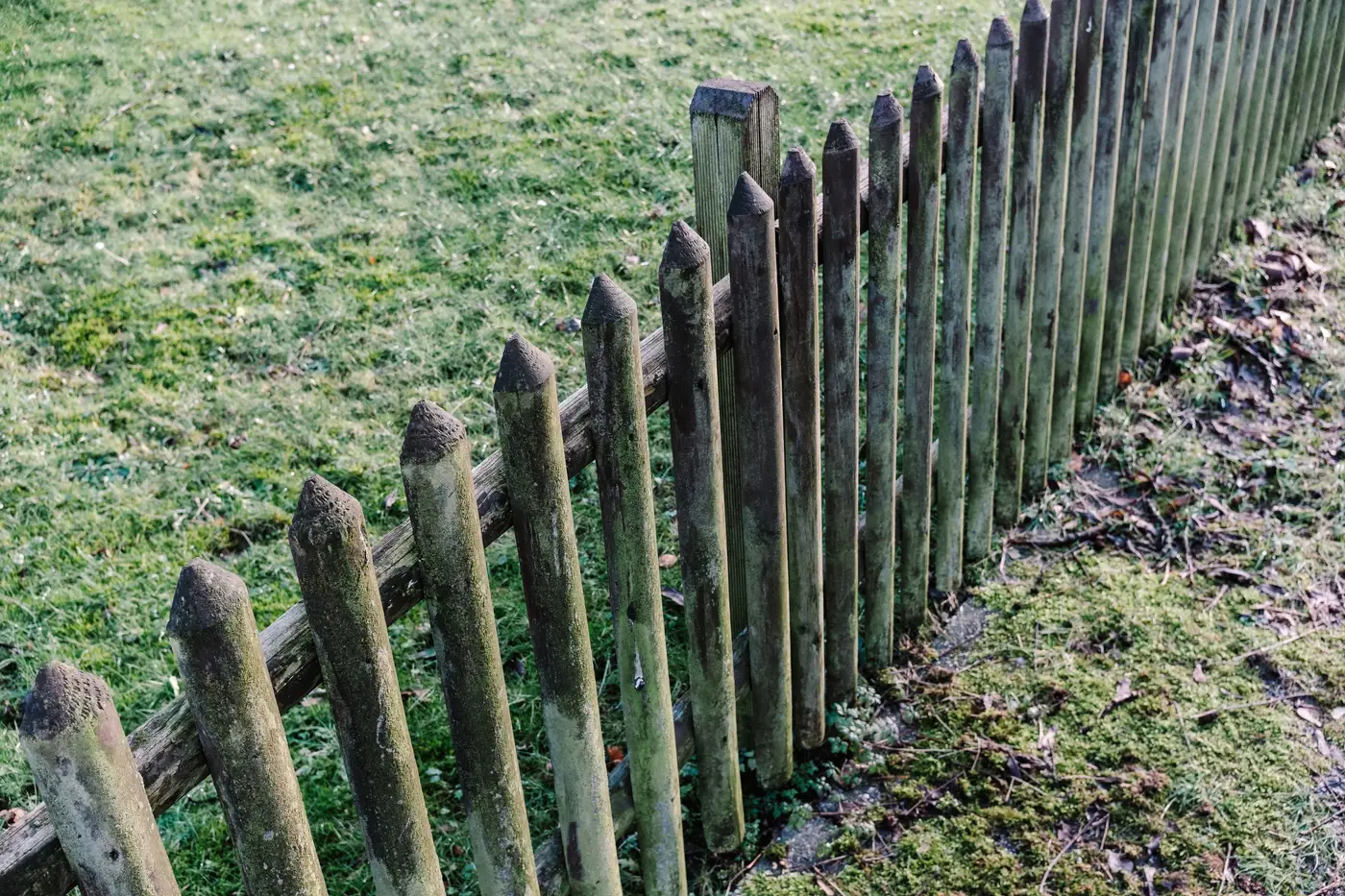
There's a particular kind of fence that shows up in wind claims every spring and fall. Six-foot cedar, maybe fifteen years old, and it's leaning six or eight degrees off plumb along one run, usually the back line where the ground slopes toward a drainage easement. The claimant says the storm did it. The adjuster's photos show a fence that's leaning. Nobody in the file disagrees that the fence is leaning. The question that actually matters never gets asked in the estimate: when did it start leaning.
A fence doesn't fall over in one event unless something dramatic happened, a tree limb, a vehicle, standing water that undermined a post line all at once. What it does instead, far more often, is lean a little more every wet season as the posts work loose in soil that was never compacted right to begin with. Cedar rot does the same thing from the bottom up. Give it five years and a fence that was installed slightly out of plumb is now visibly out of plumb, and it just sits there like that, stable in its instability, until a storm comes through and gives the homeowner a reason to file.
That's not fraud in most cases. Plenty of people genuinely don't notice the lean until wind knocks a few pickets loose and they're standing in the yard looking at the whole fence line for the first time in years. But plenty of other times, the adjuster is looking at pre-existing deterioration dressed up as storm loss, and the only way to tell the difference from a desk is to see what that fence line looked like before the loss date.
This is where the inspection photo fails you. A photo taken after the claim is filed shows you the fence as it is now, leaning, with maybe a few fresh pickets on the ground. It can't tell you what the fence looked like eighteen months ago, and the claimant's own photos, when there are any, tend to be cropped tight on the damage and taken from an angle that makes the lean hard to judge. You end up asking a field adjuster to drive back out and eyeball a fence line against memory and guesswork, which is a slow way to answer what should be a quick question.
What settles it is an image taken before the loss date, over the same address, clear enough to see a fence line and its shadow. If the fence was already leaning in an image from a year before the storm, the claim conversation changes immediately. If it was standing straight the week before, that's useful information too, and it points the file in the other direction. Either way, you're not arguing about what someone remembers seeing. You're looking at a dated picture of how the property stood.
That's the whole premise behind the lookups we run at Claims Integrity: pull archive imagery from before the loss date against the claimed address, and hand back a before-and-after pair with a short comparison note, so the fence line question gets answered without sending anyone back out to stand in a yard with a level. It won't tell you intent. It will tell you whether the thing being claimed as storm damage was already there.
Fence claims are small dollar amounts individually, which is exactly why they rarely get the scrutiny that a roof claim gets, and exactly why a quick pre-loss check is worth having on hand before the file closes. Next time a lean shows up in an estimate with a storm date next to it, ask the imagery the same question you'd ask a witness: were you there before, and what did you see.
Request a pre-loss lookup before the next fence claim crosses your desk.