November 2, 2026
Field notes: the garage that was two feet taller in 2019
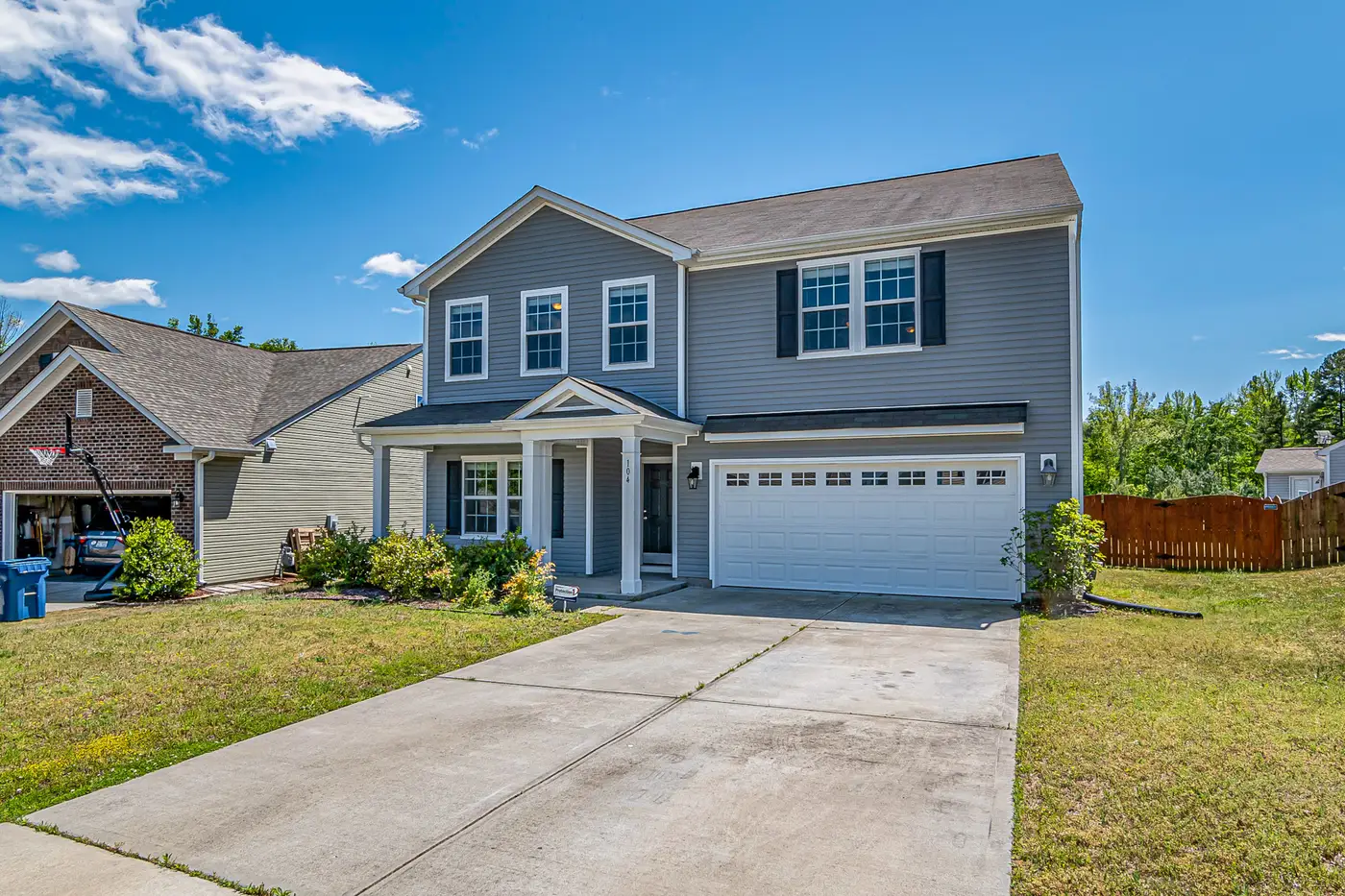
A claimant will tell you, with total conviction, that a structure looked exactly the same the week before the loss as it did the week after. Most of the time they believe it. Memory is a bad surveyor.
The file that stuck with me this fall was a wind claim on a detached garage, maybe eighteen by twenty, sided in the same vinyl as the house. The claimed damage was a collapsed roof section and a bowed wall, blamed on a straight-line wind event in June. Nothing about the loss description was unusual. What caught the adjuster's eye was a sentence buried in the claimant's own narrative, where he mentioned the garage had "always had that lean to it, ever since we built it."
Built it. That's a word that sends you looking for a permit date, and the permit date didn't match the policy's inception by a comfortable margin. So before anyone drove back out for a second look, we pulled archive imagery against the address, going back far enough to bracket both the build date and the loss date.
People ask for "street view" in these situations, by habit, because that's the term everyone grew up with. What you want is dated overhead imagery, pulled at a resolution fine enough to measure a roofline against a shadow, and it isn't the same product. Street-level imagery gives you an angle and a timestamp you can't always trust. Archive satellite and aerial imagery gives you a date and a structure, which is what a roof dispute actually turns on.
What came back was two images, a few years apart, the kind of pair you lay side by side and let do the talking. In the earlier shot, the garage roofline sat noticeably lower against the fence line behind it, maybe two feet lower by eye, before you even start measuring shadow length. In the later shot, pre-dating the loss by about eight months, the structure already carried the raised roof and the extra wall height the claim was describing as storm damage. Whatever happened in June, it didn't add two feet to that building. Somebody had, legitimately or not, built up before the wind event, not because of it.
This is the unglamorous part of SIU work that nobody puts in training materials: most of what you're screening for isn't fraud in the dramatic sense. It's timeline confusion, contractor upsells folded into a claim, pre-existing settling getting relabeled as sudden damage. A dated image pair doesn't accuse anybody of anything. It just tells you when a thing started looking the way it looks now, and lets the adjuster ask a sharper follow-up question instead of a generic one.
The file didn't close itself. It never does. But the conversation with the claimant's contractor went differently once the desk had a specific date range to ask about instead of a vague sense that something felt off. That's really the whole value of the exercise: not proving a case, just narrowing what you're arguing about before you spend an afternoon driving out there.
I've started treating "the roof always looked like that" as a cue rather than a dismissal. If a claimant says a structure has looked a certain way for years, that's a testable claim, and testing it against the record is cheaper than a second inspection and faster than waiting on a contractor's word. Claims Integrity is built around exactly that kind of lookup, a before/after image pair and a short comparison note per address, pulled when a specific claim needs it rather than on any kind of schedule.
Next time a roofline, a fence, or a pool deck doesn't quite match the story being told, it's worth checking what the record already shows before you schedule the drive.