October 14, 2026
How to screen a salvage title auto claim for prior collision damage
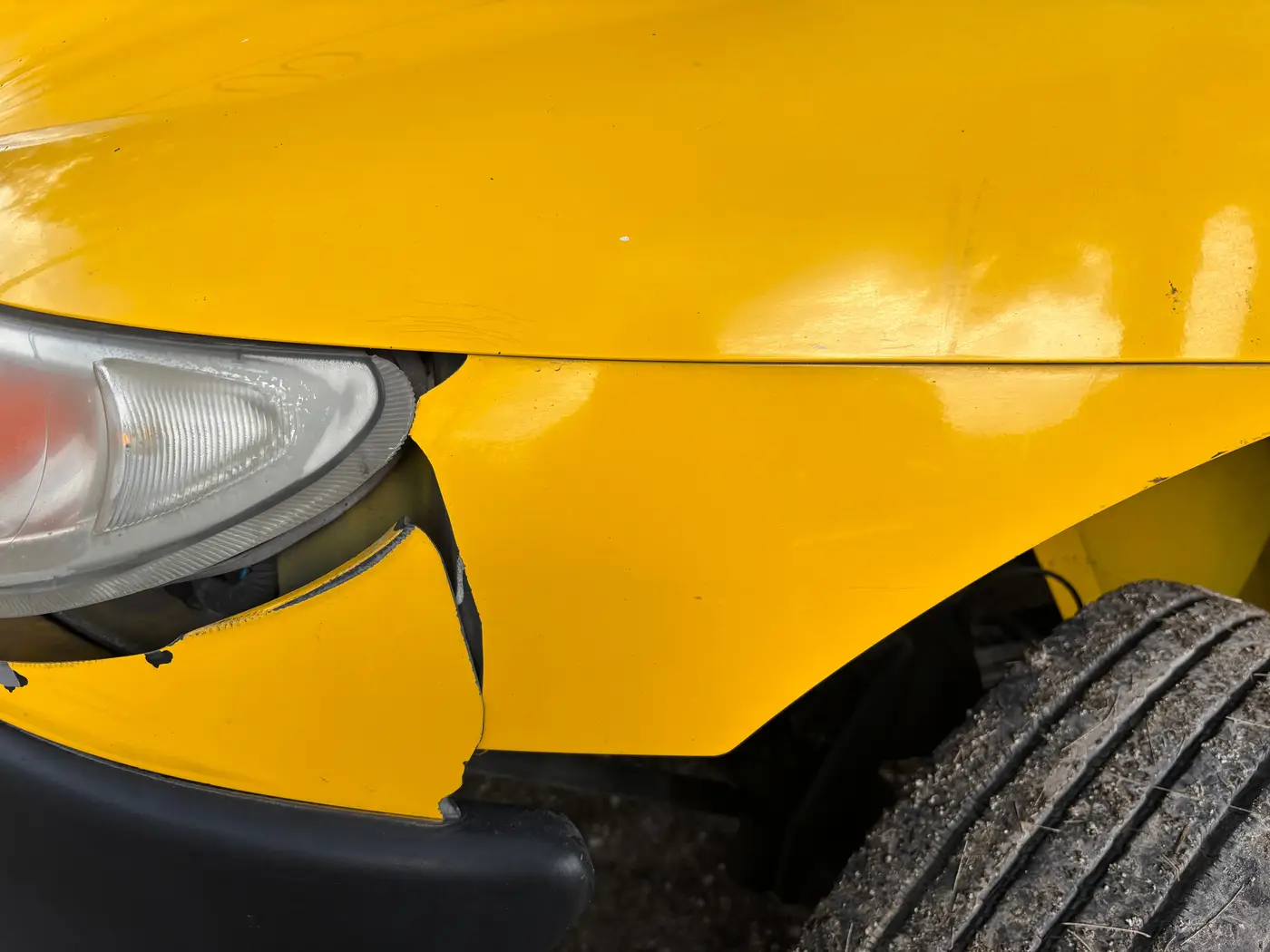
A salvage title shows up on the claim, and the first instinct is to treat it as the red flag. It isn't, not by itself. A branded title just means the vehicle was declared a total loss at some point in its life and was rebuilt or resold. Plenty of salvage vehicles are driven for years without incident. The real question for SIU is narrower: did the damage in front of you right now happen on the date the claimant says it did, at the location they say it did?
SIU needs the timeline pinned down: when did this damage actually happen, relative to the policy's effective date and the claimed date of loss. Adjusters who treat the salvage brand alone as proof end up paying for damage that was already there before the policy ever went into effect.
What the title tells you, and what it doesn't
A salvage brand is a historical fact about a past loss event. It doesn't carry a timestamp for the condition of the vehicle today, it doesn't tell you which panels were repaired and which weren't, and it says nothing about whether the current claim describes new damage or a second look at old damage. Vehicle history reports (CarFax, NMVTIS, AutoCheck) will usually show you the prior total-loss record and sometimes a rebuilt-title inspection date. What they won't show you is the scene: was the car parked in a flood-prone lot for the two years before this claim, did a storm already pass through that address last season, was there already a downed tree on that property before the date of loss being claimed now.
That gap between the vehicle's paper history and the scene's actual history is where a lot of total loss auto claims get decided, for or against the claimant.
Total loss red flags worth running down before you authorize payout
A few patterns show up often enough in salvage and total-loss files that they're worth a standing checklist:
- The repair estimate matches almost line-for-line with a shop's typical total-loss writeup for that make and model, with no variation specific to the reported impact.
- The claimed loss location and the vehicle's registered or garaging address don't match, and there's no explanation on file for why the car was there.
- Paint overspray, panel gap inconsistency, or mismatched part age on areas the claimant says weren't involved in this loss.
- No prior claim on file despite a salvage brand that implies a reported loss event, meaning the branding came from somewhere that never touched this carrier.
- The claimed date of loss lines up suspiciously well with a known regional weather event, filed just late enough to miss the deductible window on an earlier, smaller claim.
None of these prove fraud on their own. They're reasons to slow down and verify before the check goes out.
Checking the address, not just the vehicle
This is where a lot of SIU files are missing a step. The vehicle gets checked six ways: history report, prior photos, shop inspection, maybe a recorded statement. The location where the loss supposedly happened gets taken at face value.
If a claim says hail totaled a car parked in a specific driveway on a specific date, or flood water reached a vehicle stored at a given address, that address has a visual history of its own. Dated aerial imagery from before the claimed loss date can show whether that property already had storm damage to the roof or trees, whether the lot was already prone to standing water, or whether conditions at that address simply don't match the story being told about them. It won't show a dent in a fender; this resolution isn't built for that level of detail. It will show whether the scene the claimant describes existed the way they describe it, before the date in question.
That's the gap Claims Integrity is built to close: pull the archive imagery for the claimed address, set it against the date of loss, and get a dated before/after pair with a short written comparison instead of guessing from the claimant's own photos.
Run the vehicle history. Run the shop estimate against the damage pattern. And before you sign off on the payout, take a look at what the address itself looked like before the date on the claim.