October 7, 2026
How to spot a staged damage photo in a property claim
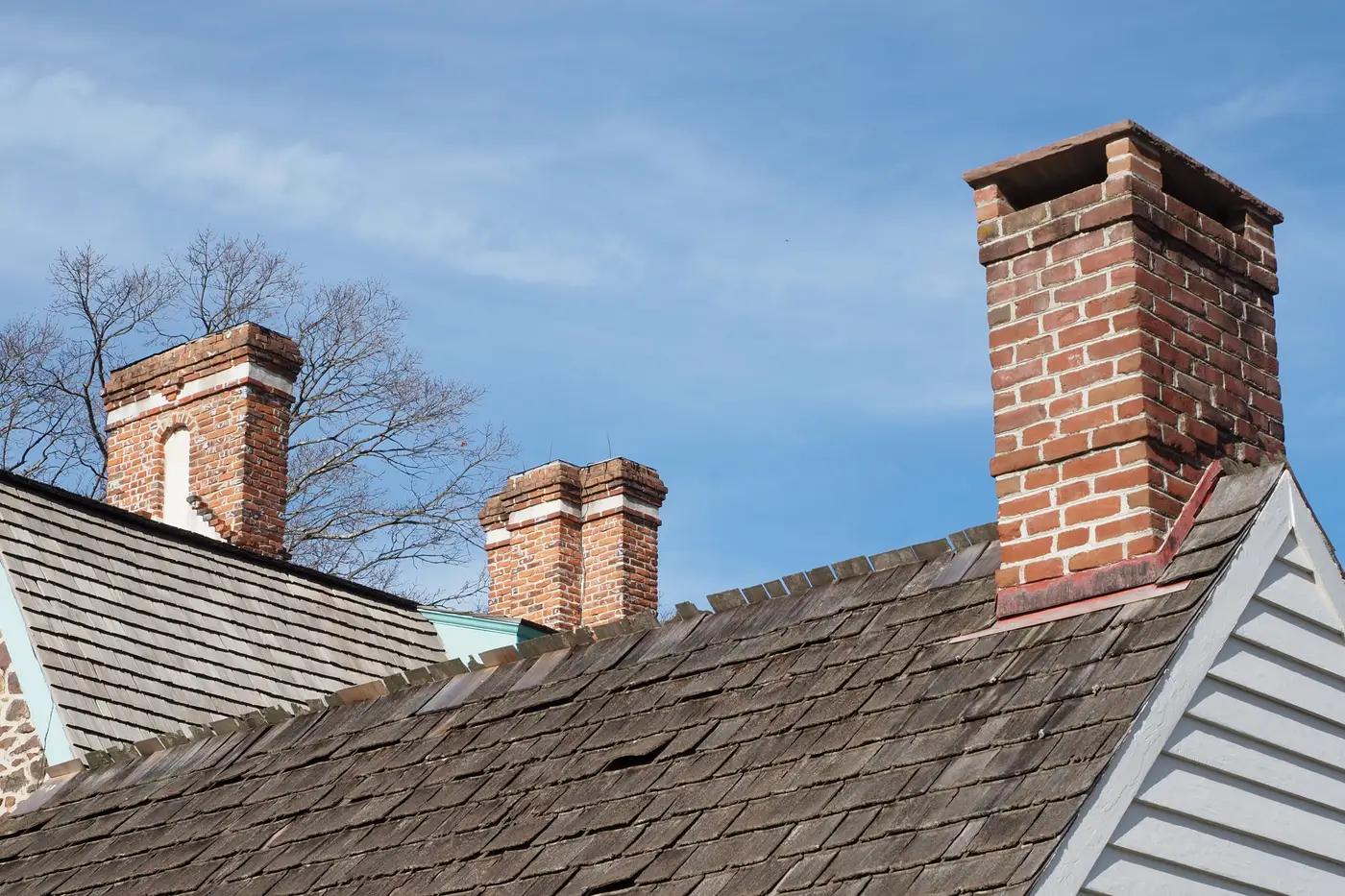
Most staged damage photos don't fall apart because the claimant is clumsy. They fall apart because nobody looked past the one photo that mattered and asked what else should be true if that photo is real. A roof photo doesn't exist in isolation. It has a sun angle, a weather history, a debris pattern, and a timestamp attached to it, whether the claimant knows that or not.
Here's what an SIU desk should check before a claim moves to the field for a second look.
Shadow angles and light direction
Shadows are the easiest tell because almost nobody fakes them on purpose. If a claimant submits three photos of the same roof section claimed to be taken minutes apart, check whether the shadows all fall the same direction and length. Shadows shift fast, roughly 15 degrees per hour depending on season and latitude. A set of "same day" photos with shadows pointing three different ways, or shadows that are too short for the claimed time of day, means at least one photo wasn't taken when the claimant says it was.
Also check the light itself, not just the shadow. Flat, even lighting on a claimed hail-damage photo taken on a day your weather data shows as overcast is a mismatch worth flagging. Harsh noon shadows in a photo supposedly shot at 6pm is the same problem from the other direction.
Weathering and debris don't lie about age
Fresh damage looks different from damage that's sat exposed for weeks, and that's hard to fake convincingly. New shingle tears show bright, unweathered material at the break. Hail hits on older composite roofing usually bruise the mat and knock granules loose in a pattern that matches the storm's hit direction, clustered on the side the wind was blowing from. If the claimed damage photo shows clean breaks with no granule loss around them, or debris on the ground that's already gray and sun-bleached next to "fresh" damage, that's a gap between the story and the material.
The same logic applies to water damage. A ceiling stain that's claimed as sudden and accidental but shows layered tide lines and old discoloration underneath a newer wet patch is telling you this has happened before, maybe more than once, and the claimant knows it.
Reused, stock, or geographically wrong photos
Reverse image searches catch more than people expect. A surprising number of staged submissions are partly or entirely pulled from somewhere else: a contractor's marketing site, a prior claim, a stock photo of generic storm damage. Check EXIF data where it's still intact; plenty of phones and photo apps strip it automatically now, so a missing EXIF block on a claim that should have it is itself a data point worth logging. GPS coordinates that put the photo three states away, a camera model that doesn't match the claimant's listed devices, or a "created" date that postdates the loss date by weeks are all things that show up in metadata if nobody's bothered to scrub it.
Landscaping and context clues matter too. If the siding, gutters, or background trees in the "damage" photo don't match the house in your file photos or prior inspection records, you're not looking at the insured property.
Red flags worth a second look
A few patterns show up often enough to be worth a standing checklist:
- Damage photographed suspiciously close-up, with no wider shot establishing where on the structure it is
- Identical damage patterns appearing in claims from different addresses, sometimes the same policyholder's other properties
- A claimed date of loss that doesn't line up with any storm, wind event, or weather record for that location
- Photos that are noticeably higher or lower resolution than the rest of the set, suggesting they came from a different source
None of these prove fraud by themselves. They're reasons to pull the thread on the file before it moves any further.
Where archive imagery fits
The fastest way to settle most of these questions without a second site visit is to see what the property actually looked like before the loss date. That's the gap Claims Integrity fills: a dated before-and-after image pull for the claimed address, with a short written comparison note, so your desk can see whether the damage being claimed was already sitting there before the policy event, instead of relying on a claimant's own photo set or sending an adjuster back out to confirm it in person.
If a file on your desk has shadows that don't match, debris that looks older than the storm, or a photo set that just feels off, pull the before-and-after on that address before you schedule another inspection.