November 9, 2026
How to spot staged accident fraud indicators in a police report
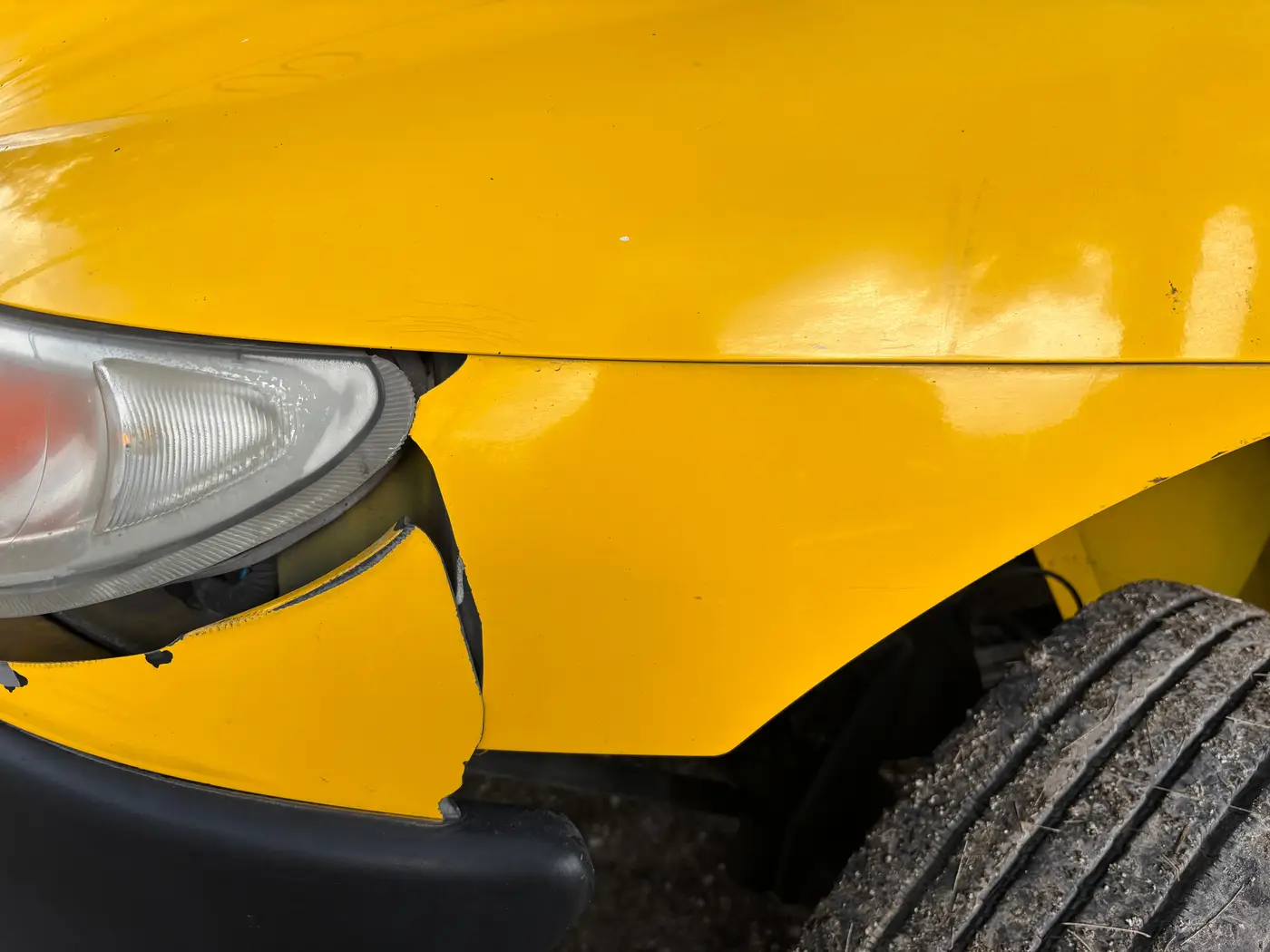
A police report is the first document in most auto files, and for a lot of adjusters it's also the last one anybody reads closely. That's a mistake on a staged loss. The report officer wasn't trying to catch fraud. He was clearing a scene, getting statements, and moving traffic. The narrative he wrote down is the claimant's version, lightly filtered through whatever the officer had time to observe.
Read it for inconsistencies, not for conclusions. Weigh it against the photos, the repair estimate, and the claims history before you decide anything.
What the report alone can't tell you
A report can note "rear-end collision, minor damage" and nothing else. It won't tell you whether that bumper was already cracked before the loss date, whether the "witness" who backed up the story lives at the same address as a prior claimant on your books, or whether the vehicle involved has three other BI claims tied to it in the past two years. Those are the things that separate a real fender bender from a manufactured one, and none of them live in the box the officer checked.
So treat the report as a starting point: names, date, location, narrative, diagram if there is one. Then run it against everything else in the file.
Swoop and squat tells in the narrative
Swoop and squat has a pattern that shows up in the report language even when nobody involved knows the term. Look for:
- A third vehicle that "cut in front and braked suddenly" with no citation issued to anyone, because the squat car is gone before police run plates on it.
- Multiple occupants in the struck vehicle, all reporting neck or back pain at the scene or within 24 hours, often more claimants than seatbelts would comfortably seat.
- A point of impact and damage description that reads inconsistent with the speed described: minor contact, major injury claims, every time.
- Drivers who don't know each other giving statements that use the same phrasing, almost word for word, which reads less like two people describing a crash and more like two people who rehearsed one.
None of these alone proves staging. Together, in the same file, they're worth pulling the rest of the thread.
Paper accident red flags
A paper accident is the report that exists, but the loss behind it doesn't match what's claimed. The crash happened, maybe, but the damage being billed is older, worse, or from somewhere else entirely. The report itself usually looks clean because nobody faked the report, they're just attaching it to more damage than the incident caused.
Watch for:
- A damage estimate that includes panels nowhere near the stated point of impact.
- A claimant who reports the loss weeks after the report date, once a body shop or attorney is already involved.
- Photos from the claimant that are oddly cropped, low-resolution, or missing the full vehicle in one frame.
- A reported impact speed or mechanism that doesn't square with the repair estimate's line items.
This is where the report runs out of road for you. It tells you what was said happened. It can't tell you what the property looked like the week before the loss date.
That's the gap a before-and-after image pair closes. Instead of sending an adjuster back for a second look or taking the claimant's own photos at face value, pulling archive imagery against the claimed address ahead of the loss date shows you whether the damage in the estimate was already sitting there. Pair that with the report inconsistencies above and you've got a file worth escalating, or one you can close without a fight.
If a file is giving you that paper-accident feeling, run the address before you cut the check.