November 16, 2026
What is claim leakage, and how pre-existing damage drives it up
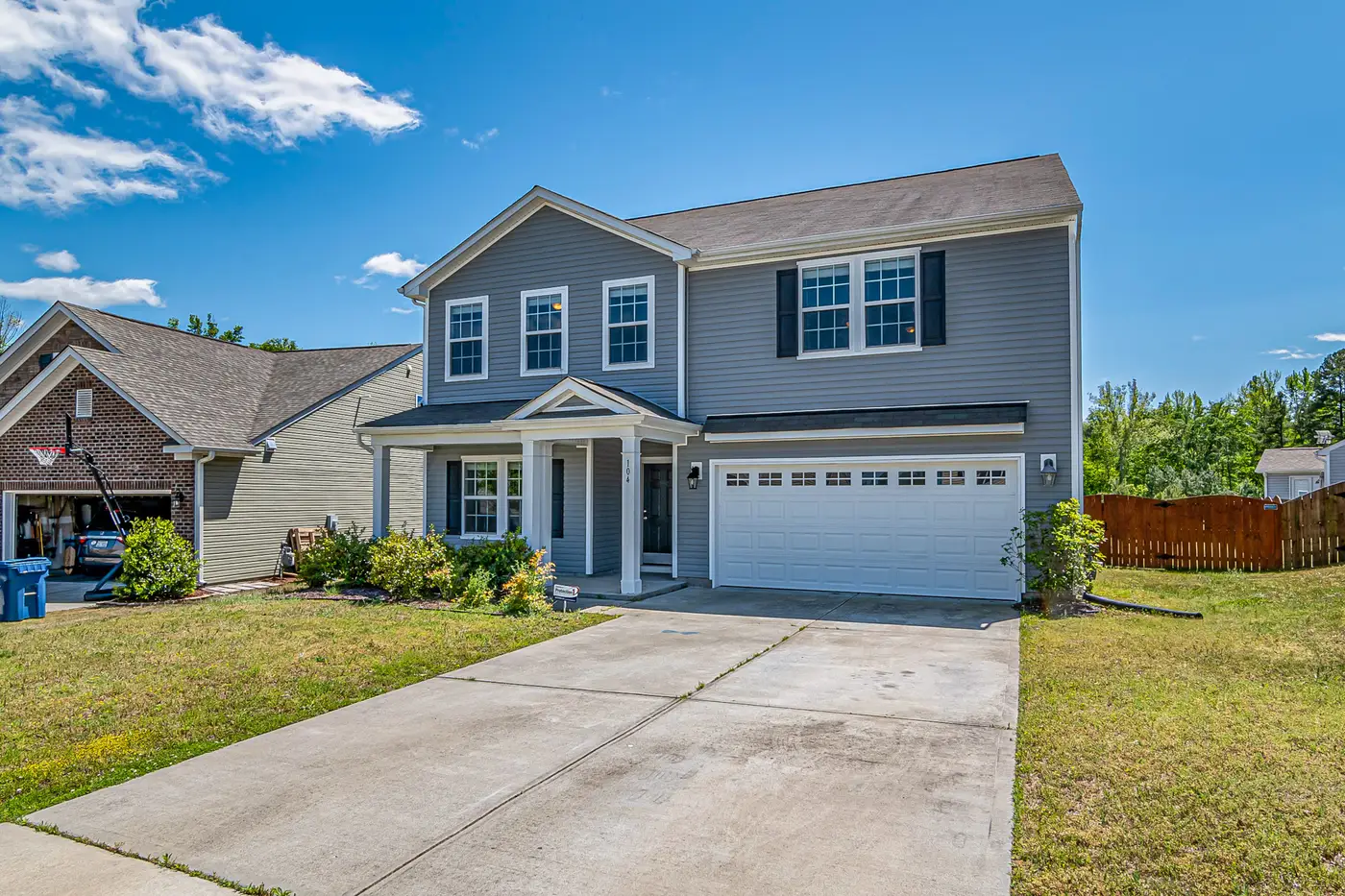
Claim leakage is the gap between what a claim should have cost the carrier and what it paid out. It's not the same thing as fraud. Most leakage is just overpayment: a reserve set too high and never adjusted down, a scope sheet that includes line items the loss didn't cause, a settlement that pays full replacement cost on damage that was sitting on the roof or the siding long before the policy period started.
Every shop measures it a little differently, and most carriers roll it into severity trending rather than reporting it as its own line. But the money comes from the same place every time: it comes straight out of the loss ratio, and the loss ratio is the number underwriting and actuarial watch to decide whether a book is priced right.
Claim leakage definition, in SIU terms
For an SIU investigator, the useful definition is narrower than the actuarial one. Leakage is any dollar paid on a claim that a closer look at the facts would have reduced or denied. That includes duplicate payments, scope creep during the adjuster's inspection, and the one this post is about: indemnifying damage the policyholder didn't sustain during the covered loss.
Pre-existing damage is leakage hiding in plain sight. A hail claim comes in on a roof that's fifteen years old. The adjuster goes out, sees granule loss and a few cracked shingles, and writes a check for a full roof replacement. Nobody's lying, necessarily. The adjuster has no way to know whether that wear pattern predates the storm date by six months or six years, so the claim gets written up as storm damage. Multiply that across a hail season and that habit gets expensive.
Why pre-existing damage moves severity more than people expect
Severity, the average payout per claim, is sensitive to exactly this kind of ambiguity. A roof claim that should have been a partial repair at a few thousand dollars becomes a full tear-off at five figures because there's no record of condition before the loss date. Fence damage that was already leaning from last year's windstorm gets rolled into this year's wind claim. A foundation crack that's been photographed in a real estate listing from two years ago gets claimed as storm-caused settling.
None of these require the claimant to be acting in bad faith. A claimant might not remember when a crack appeared, or assumes storm damage covers wear they'd been meaning to deal with anyway. The adjuster, working off a single site visit and whatever photos the claimant provides, has limited tools to push back. Without a documented before-state, the claim gets paid at face value, and the loss ratio absorbs it.
What closes the gap
Closing this gap takes a dated record of the property that exists independent of the claim file, something no amount of adjuster scrutiny alone can produce. If there's archive imagery of the address from before the loss date, an SIU reviewer can look at the roofline, the fence line, the driveway crack, whatever's in dispute, and see whether it was there already. That turns a judgment call into a documented comparison.
That's the gap Claims Integrity is built to close: a before and after image pair for a claimed address, pulled against the loss date, with a short written note on what changed and what didn't. It doesn't replace the adjuster's inspection. It gives SIU something concrete to check a claim against before the payout goes out, instead of sending someone back out to the property or taking the claimant's own photos at face value.
Leakage from pre-existing damage is hard to spot from inside the claim file alone, because the file only shows the world after the loss. Catching it means having something to compare against from before.
If a claim on your desk has damage that looks older than the loss date, pull a before/after comparison before it pays.